
Babaganoush is a rich, smoky, and creamy eggplant dip that is a favorite across the Middle East and Mediterranean regions. This velvety dish is made with roasted aubergines, nutty tahini, zesty lemon juice, and a touch of garlic, creating a perfect balance of flavors that leave your taste buds wanting more. Traditionally served as part of a mezze platter, babaganoush pairs wonderfully with warm pita bread, crisp veggies, or even as a side to grilled meats. Whether you’re planning a cozy evening at home or hosting a gathering, this recipe will elevate your table and bring people together over its unique, smoky charm.
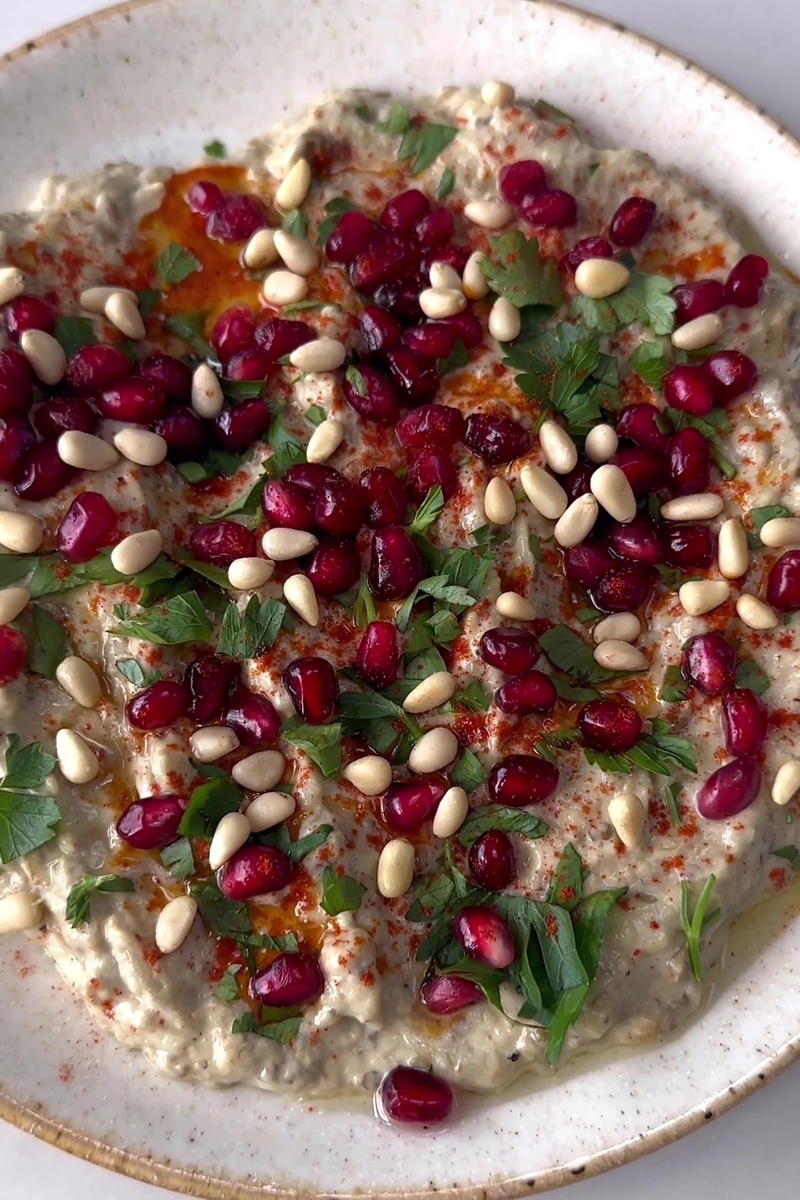
Smoky Babaganoush
Enjoyed the recipe? Please consider leaving a 5-star rating and a comment below. Your feedback helps other readers find this recipe and gives me the encouragement to keep creating!
Rate this RecipeEquipment
- Oven
- 1 Baking Tray Large enough to fit both aubergines and garlic
- 1 Fork For piercing aubergines before roasting
- 1 Mixing Bowl
- 1 Hand Blender Optional, for smoother consistency
- 1 Spoon For scooping out roasted aubergine flesh
Ingredients
- 2 large aubergines (eggplants) Approximately 1 kg in total, pierce a few times with a fork
- 1 garlic Remove excess outer layers but keep the bulb intact
- ¼ cup tahini Approx. 60 ml, creamy sesame paste
- 2-3 tablespoon lemon juice Freshly squeezed, approximately 30-45 ml
- 2 tablespoon olive oil Extra virgin for a rich flavor
- 1 teaspoon salt
- ½ teaspoon black pepper
- 1 teaspoon ground cumin Adds warm, earthy flavor
- 1 tablespoon olive oil (for garnish) For drizzling on top
- ½ teaspoon paprika For garnishing
- 2 tablespoon fresh parsley Chopped, approximately 8 g for garnish
- 2 tablespoon pomegranate seeds Approximately 30 g, for a burst of color
Step-by-Step Instructions
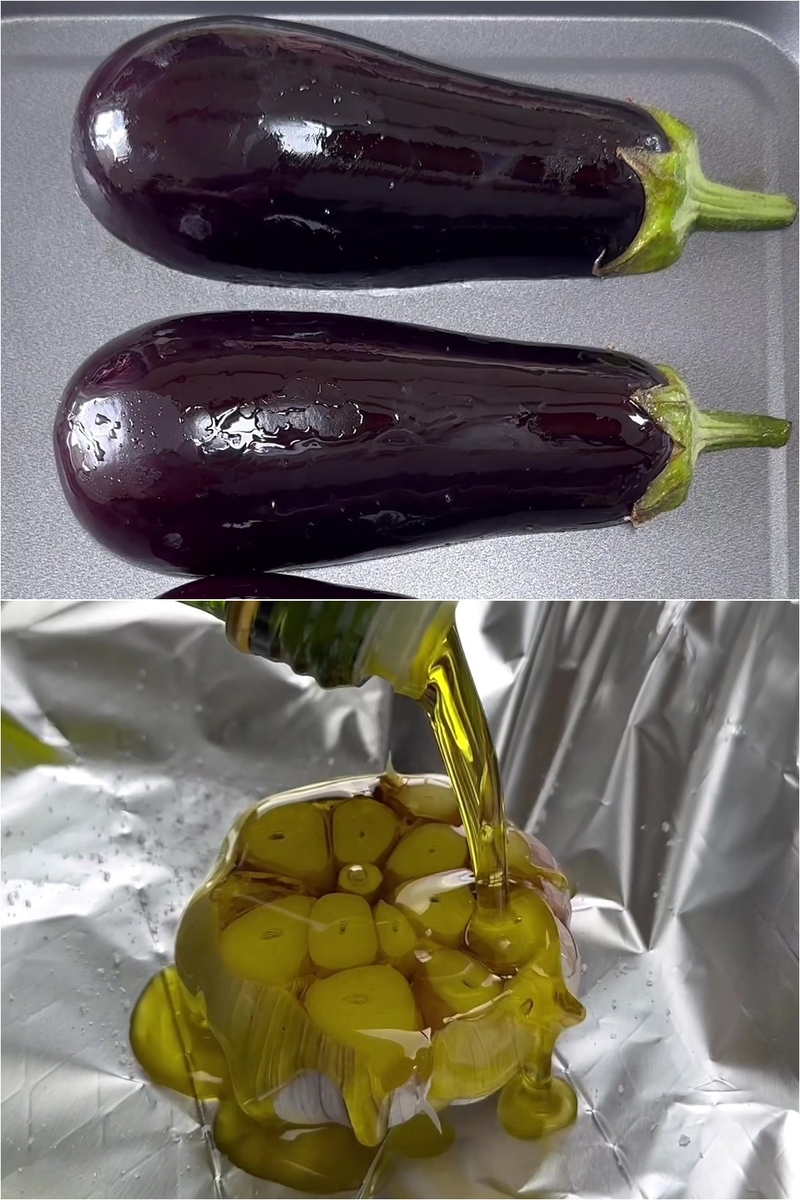
- Start by preheating your oven to 400°F (200°C). Take two large aubergines (eggplants), approximately 1 kg in total, and pierce them a few times with a fork to allow steam to escape during roasting. Place them on a baking tray along with one bulb of garlic (remove excess outer layers but keep the bulb intact). Drizzle a little olive oil over the garlic to prevent burning and add a hint of flavor. Roast in the oven for about 45 minutes, or until the aubergines are soft and collapsed, and the garlic has turned tender and caramelized.

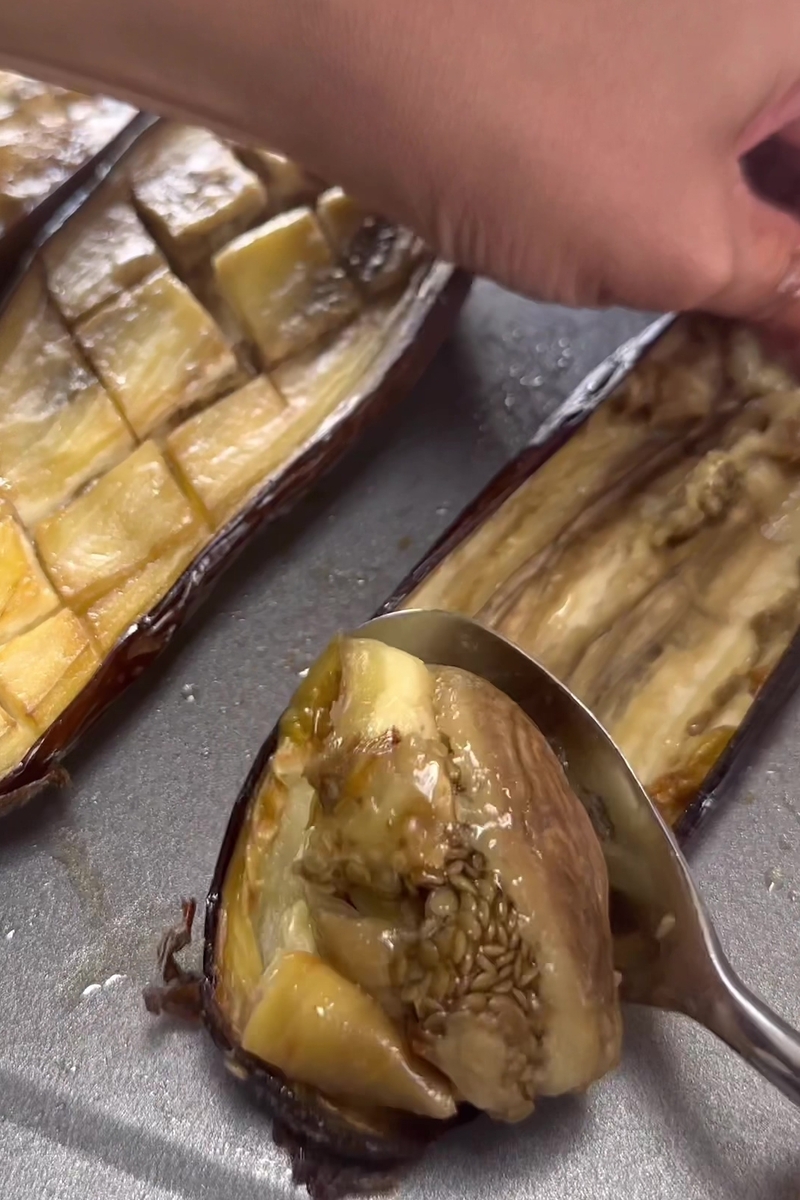
- Once your aubergines and garlic are roasted, allow them to cool slightly for easier handling. Carefully cut the aubergines in half and scoop out the soft flesh, discarding the charred skins. Transfer the flesh to a bowl. Squeeze out the roasted garlic cloves from their skins and add them to the same bowl as the aubergine.
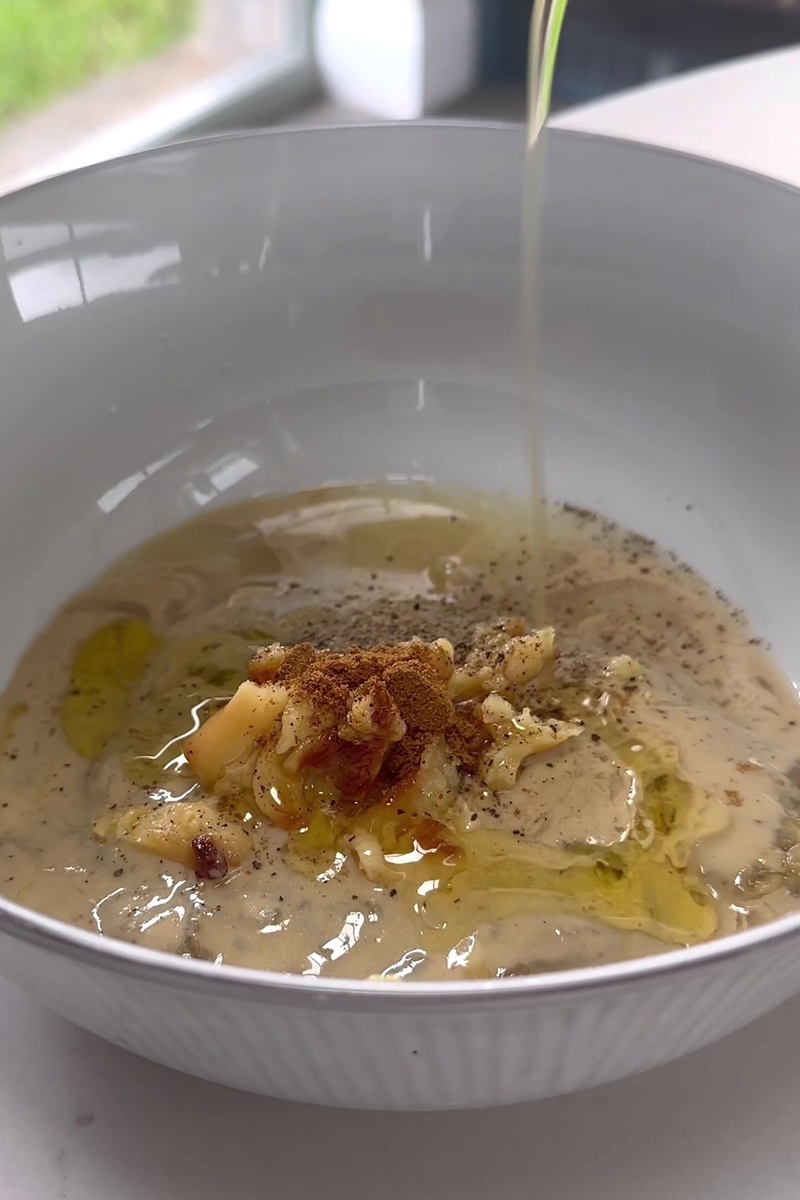
- To the aubergine and garlic mixture, add ¼ cup (60 ml) of tahini, 2-3 tablespoons (30-45 ml) of fresh lemon juice, and 2 tablespoons (30 ml) of extra virgin olive oil. For seasoning, add 1 teaspoon (5 g) of salt, ½ teaspoon (2.5 g) of black pepper, and 1 teaspoon (5 g) of ground cumin. Use a fork to mash everything together until well combined. If you prefer a smoother consistency, you can use a hand blender to blend it to your desired texture.
- Taste the mixture and adjust the seasoning if needed. You may want a bit more lemon juice for brightness or salt to enhance the flavors. This is where you get to make the recipe your own.
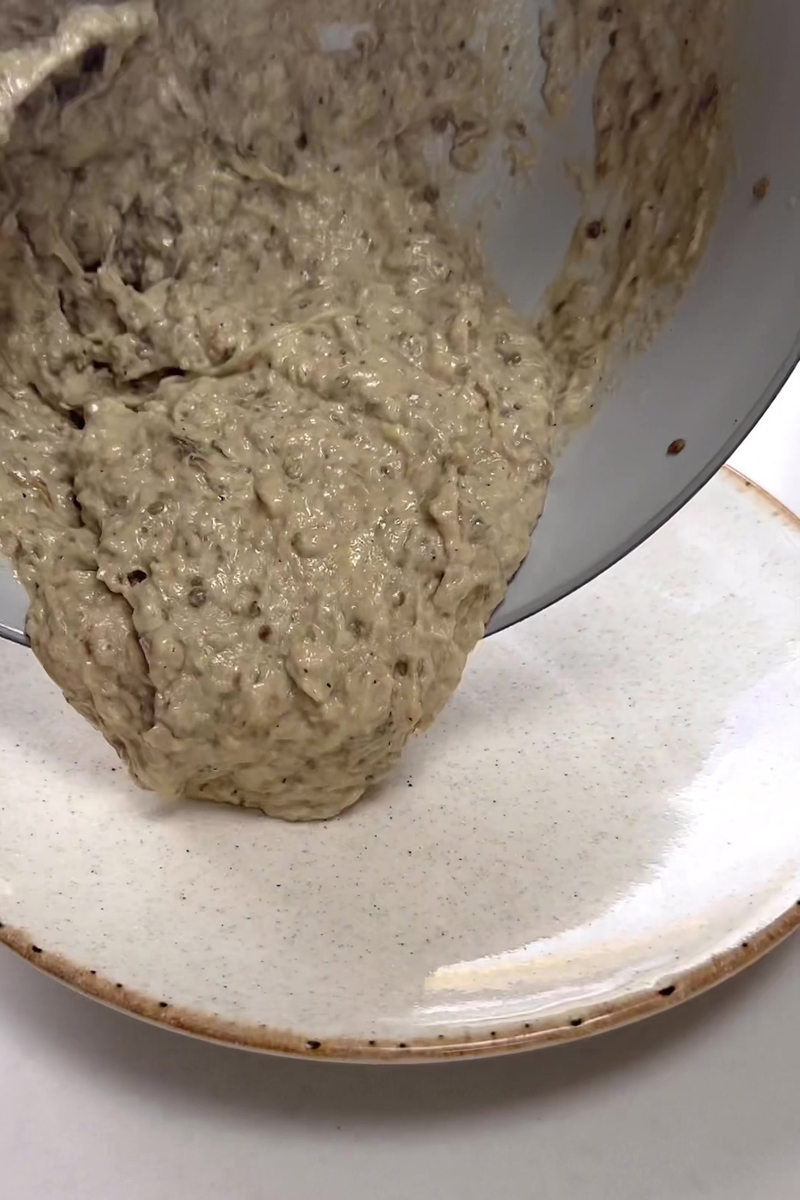
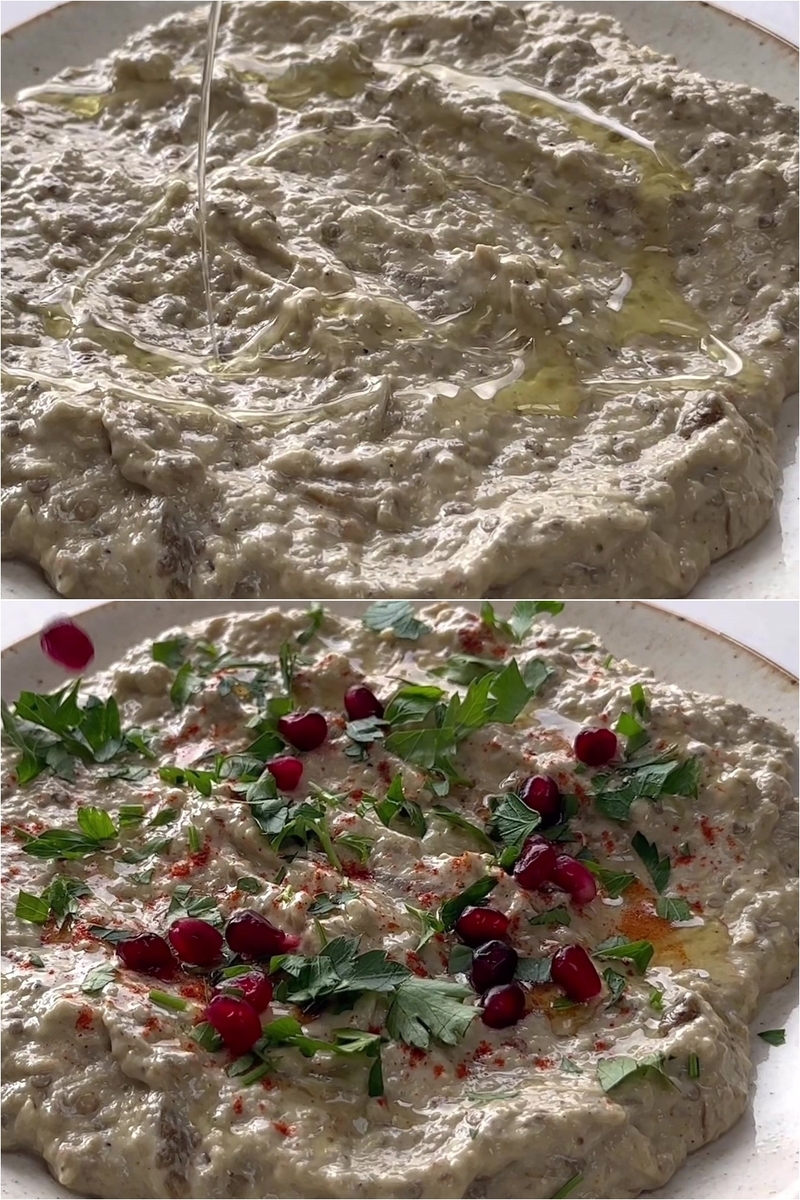
- Transfer your finished babaganoush to a serving bowl. Create a small well in the center and drizzle with an extra tablespoon (15 ml) of olive oil. Garnish with a sprinkle of paprika, freshly chopped parsley (about 2 tablespoons), and some pomegranate seeds for an extra burst of color and flavor. Serve immediately with pita bread, crackers, or fresh vegetables like cucumber or bell pepper slices.
Notes
If using a grill to char the aubergines, make sure to turn them frequently for even charring. The grilled version adds a deeper, authentic smoky flavor.
Modifications for Dietary Restrictions
To adapt this recipe for different tastes, consider adding smoked paprika for even more smoky depth, or some chili flakes for a hint of spice. For a creamier version, add a tablespoon of Greek yogurt (note: this will make it non-vegan).
Common Food Intolerances and Their Substitutions
| Ingredient | Potential Intolerance | Substitution |
|---|---|---|
| Aubergines (Eggplants) | Nightshade sensitivity | Use zucchini, though it will change the texture and flavor |
| Tahini | Sesame allergy | Sunflower seed butter as an alternative |
| Garlic | FODMAP sensitivity | Omit garlic or use garlic-infused olive oil |
Conclusion and Final Thoughts
Babaganoush is more than just a dip; it’s a versatile, delicious dish that brings a smoky flavor and creamy texture to your table. Whether you’re planning to share it at a party or enjoy it as a healthy snack, this recipe is straightforward yet full of character. Roasting the aubergines brings out a depth of flavor, and adding roasted garlic offers a sweet, mellow taste that enhances the overall profile of the dish. Try making this at home, and you’ll see why this iconic Middle Eastern classic has won the hearts of food lovers worldwide.
FAQ’s
What makes babaganoush different from hummus?
Babaganoush and hummus are both popular Middle Eastern dips, but they have different key ingredients. Babaganoush is made from roasted aubergines (eggplants), whereas hummus is made from chickpeas. The texture of babaganoush is smokier and creamier, while hummus is richer and denser due to the chickpeas. Both are delicious, but each offers a distinct flavor and experience.
Can I grill the aubergines instead of roasting them?
Absolutely! Grilling the aubergines is a great way to achieve an extra smoky flavor in your babaganoush. Simply place the aubergines directly on a grill or an open flame, turning occasionally until the skin is completely charred, and the flesh is soft. This method will give your dip a more authentic smoky flavor.
How long can I store babaganoush?
Babaganoush can be stored in an airtight container in the refrigerator for up to 4-5 days. It may thicken slightly in the fridge, so just stir in a little extra olive oil or lemon juice before serving to bring it back to your preferred consistency.
Is it necessary to use tahini in this recipe?
Tahini adds a distinct nutty flavor and creamy texture to babaganoush, but if you don’t have it or prefer not to use it, you can substitute with a little plain Greek yogurt for a different but still delicious taste. Alternatively, you can leave it out altogether for a lighter version.
Why are pomegranate seeds used as a garnish?
Pomegranate seeds add a burst of sweetness and acidity, which balances the smokiness and creaminess of the babaganoush. They also provide a lovely contrast in texture and make the dish visually appealing, perfect for presentation.